Begin with the distinction
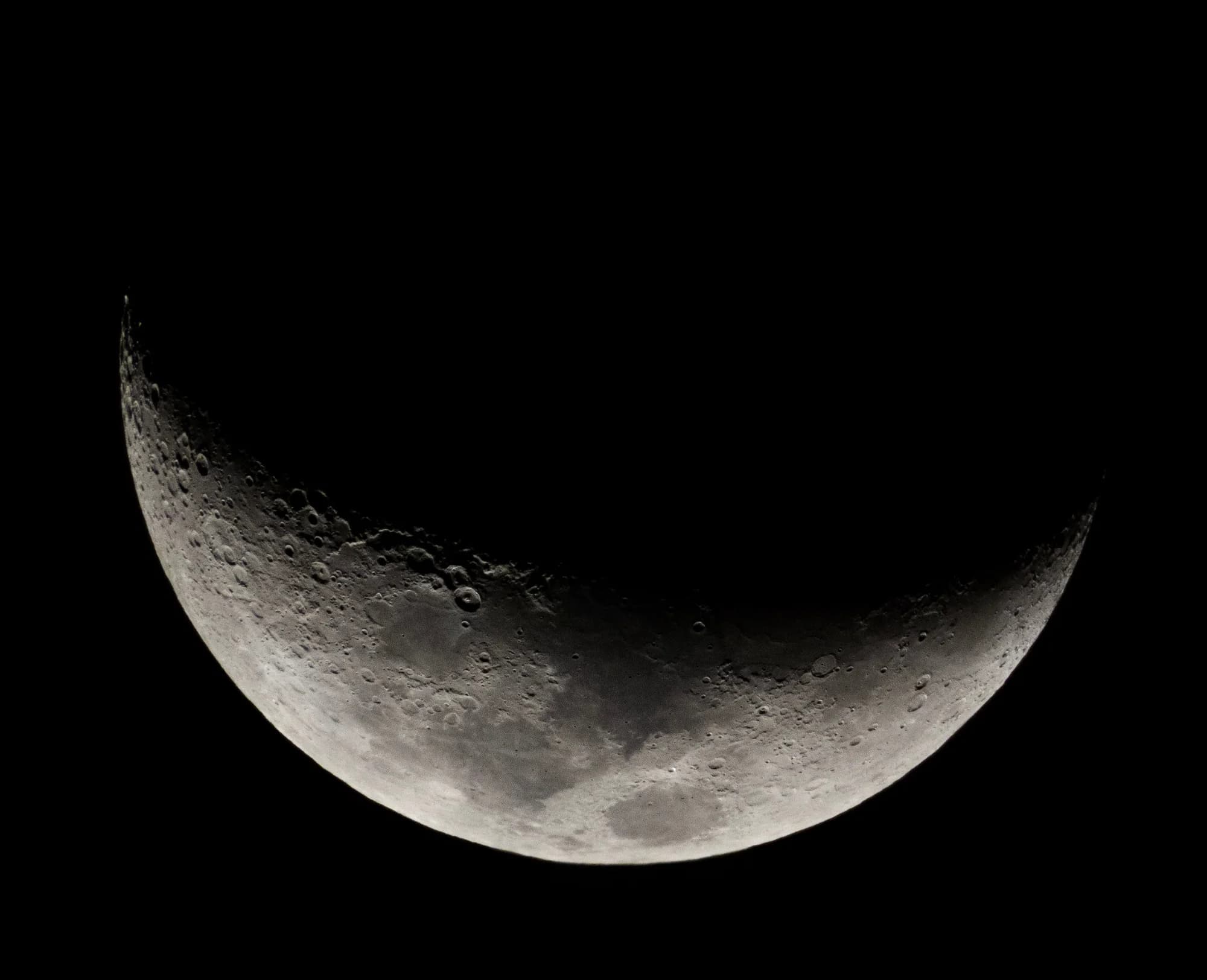
A new moon is an astronomical phase. The ritual you attach to it is a personal or cultural practice. The phase does not establish that a wish will be granted or that a particular action will have a better outcome.
You can enjoy the symbolism of a beginning while keeping practical decisions grounded in evidence. A calendar rhythm may make a practice easier to remember; it does not need to be treated as an instruction from the sky.
Choose one intention you can influence
Write an intention as a behaviour rather than a promised result. “I will make time for one considered conversation” is within your influence. “Someone will change their mind” is not. Notice how the first leaves you with a clear next step.
Ask what support the intention needs: a reminder, a boundary, a realistic time or another person’s consent. These ordinary details make the reflection more useful than an elaborate list of desired outcomes.

Keep the ritual light
Choose a place where you can pause comfortably. Read your intention, identify one action and decide when to check in. A candle, music or a favourite object is optional. Nothing has to be purchased for the practice to count.
If you miss the calendar date, you can still reflect. A practice should adapt to your life, including travel, caring responsibilities and evenings when there is simply no room for it.
Revisit with curiosity
At your next check-in, ask what happened, what changed and what you learned. Adjust the intention to fit what is now possible. The aim is attention and agency, not proof that a ritual controlled an outcome.
Bring the question into your own life.
Start with a free perspective, or find a simple ritual that suits today.
Begin your discovery